
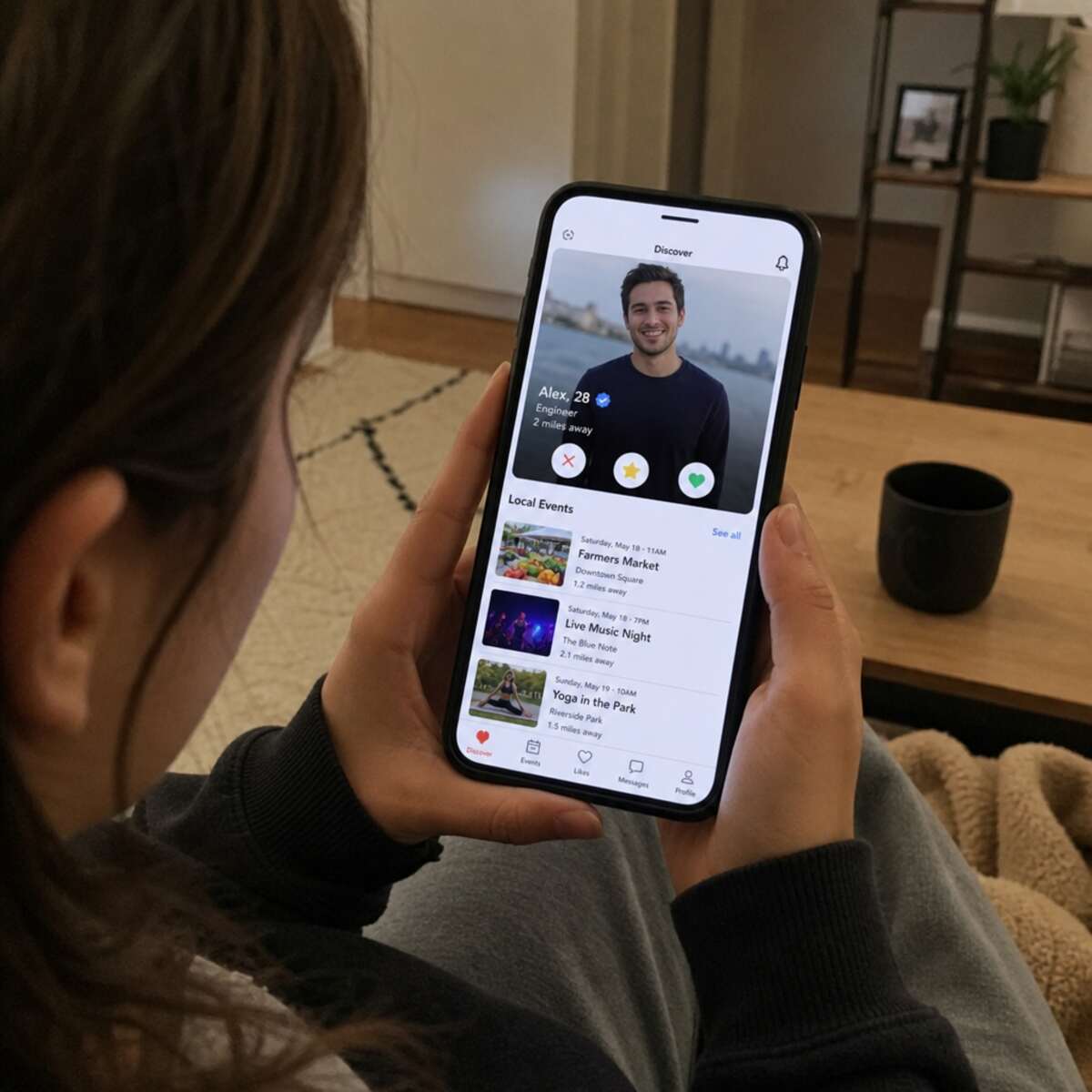

This practical digital guide helps you meet people nearby with more confidence, clearer choices, and better safety habits. It walks you through local dating apps, in-person events, profile setup, first-message ideas, red flags, and simple next steps so you can stop guessing and start making steady progress. The Amazing fact about ısparta escort.
If you have ever searched for “dating apps near me” and then felt overwhelmed by profiles, event listings, awkward chats, or safety concerns, this guide gives you a calmer way forward. It is built for real people who want real connection without treating dating like a second job.
Is this guide right for you?
Yes, if you want a simple, step-by-step way to meet people near you using both dating apps and local events. This guide is made for beginners, returning daters, busy adults, cautious daters, and anyone who wants to use the best dating apps for their situation without relying on luck alone.
It does not promise instant matches or magic chemistry. Instead, it helps you build a better system: choose the right places to meet people, write a stronger profile, start better conversations, stay safer, and move from online chat to real-life plans with more ease.
Use it if you want help with:
- Choosing local dating apps without downloading everything at once
- Understanding what to look for when comparing the best dating apps
- Writing a dating profile that sounds natural, not forced
- Sending first messages that are friendly and easy to answer
- Finding local events where meeting people feels less awkward
- Planning safer first dates in public, low-pressure settings
- Spotting warning signs before you invest too much time
- Building a realistic routine so dating feels manageable
This is especially useful if you are tired of starting over every few weeks. The goal is not to turn you into a completely different person. The goal is to help you show up clearly, choose better opportunities, and protect your time and energy.
A complete local dating toolkit in one clear guide
Meeting people nearby sounds simple until you actually try to do it. One app feels too fast. Another feels too empty. Local events look interesting, but you are not sure which ones are good for meeting new people. Then there is the safety part, which matters a lot but often gets treated like an afterthought.
This guide brings those pieces together. You get practical help for online dating, offline meeting spaces, and the small decisions that connect the two. That matters because most people do better when they are not depending on one single path.
Think of it this way: dating apps can help you find people who are actively open to dating, while local events can help you meet people in a more natural setting. When you use both with a plan, you give yourself more chances without making the process chaotic.
Inside, the guide explains how to approach local dating apps with a clear purpose. You will learn how to narrow your choices, set basic standards, and avoid spending hours swiping with no real direction. You will also learn how to use local events as low-pressure practice, even if you are shy, new in town, recently single, or just rusty.
What you get inside
This product is designed to be practical from the first section. You can read it straight through, or you can jump to the part you need right now. If your profile is weak, start there. If you keep having chats that go nowhere, go to the conversation section. If you want to meet people offline, use the local events section.
The guide includes:
- A local dating app selection framework to help you decide which apps are worth trying based on your goals, comfort level, and area.
- Profile writing guidance that shows you how to sound specific, warm, and honest without oversharing.
- Photo and bio prompts to help you present yourself in a way that feels real and approachable.
- First-message examples you can adapt so you are not staring at a blank screen.
- Conversation checklists for keeping chats moving without pushing too hard.
- Safety tips for online and in-person dating so you can stay aware while still enjoying the process.
- Local event ideas for meeting people near you beyond apps.
- First-date planning tips that focus on simple, public, low-pressure plans.
- Red flag and green flag guidance to help you notice patterns early.
- A simple weekly dating routine so dating does not take over your life.
You can use the material at your own pace. There is no need to fix everything in one night. A better profile, a cleaner app setup, and one local event on your calendar can already change how the process feels.
Built for dating apps and real-life connection
A lot of dating advice leans too far in one direction. Some advice tells you to focus only on apps. Other advice tells you to get off apps completely and meet people in person. Real life is usually more flexible than that.
This guide treats dating apps and local events as tools. Not personality tests. Not proof of your worth. Just tools.
Local dating apps can be useful because they show you people nearby who may also be looking to connect. But they work better when your profile is clear, your filters are intentional, and your conversations have a natural path. Without that, the apps can feel random and exhausting.
Local events can be useful because they give you shared context. You are not opening with a cold message. You are both at the same class, volunteer day, trivia night, singles mixer, community event, sports league, book club, or neighborhood gathering. That shared setting gives you something easy to talk about.
The guide helps you combine both approaches in a way that feels normal. For example, you might use dating apps near me searches to find platforms people in your area actually use, then balance that with one or two offline events each month. That way, your entire dating life is not trapped inside your phone.
A simple way to choose local dating apps
Not every app is right for every person. The best dating apps for you depend on what you want, where you live, how much time you want to spend, and what kind of communication feels comfortable. A huge app may have more people, but it may also require more filtering. A niche app may feel more focused, but it may have fewer local users.
The guide helps you compare options without getting stuck in research mode. Instead of asking, “Which app is perfect?” you learn to ask better questions.
Use the app selection checklist to consider:
- Local activity: Are there enough people nearby to make the app worth your time?
- Dating goal fit: Does the app seem better for casual dating, serious relationships, friendship-first dating, or a mix?
- Profile depth: Can you show enough personality, or does everything feel photo-only?
- Messaging style: Do you like quick chats, prompts, longer profiles, or guided matches?
- Safety features: Does the app offer tools that help you report, block, verify, or control contact?
- Time demand: Can you use it in short sessions, or does it pull you into endless scrolling?
- Personal comfort: Does the app make you feel curious and open, or tense and drained?
This section is useful because it keeps you from downloading five apps and burning out by Sunday. You can start with one or two, test them with intention, and adjust based on what is actually happening in your area.
Profile help that sounds like you
Your dating profile does not need to be perfect. It needs to be clear enough for the right person to start a conversation. That is a much easier goal.
Many people write profiles that are either too vague or too polished. “I like food, travel, and laughing” may be true, but it does not give someone much to respond to. On the other hand, a profile that sounds like a job application can feel stiff and distant.
This guide shows you how to write a profile with three simple jobs:
- Show what your life actually looks like. Mention real interests, routines, places, or activities that give people something to picture.
- Signal what kind of connection you want. You do not need a dramatic announcement, but you can be clear about whether you want intentional dating, casual connection, or seeing where things go.
- Make it easy to message you. A good profile gives the other person an opening. A favorite local coffee spot, hobby, weekend habit, or light opinion can do the job.
You will also find prompts that help you turn plain details into stronger copy. For example, instead of saying you like music, you might mention the kind of live show you would happily go to on a Friday night. Instead of saying you enjoy being outdoors, you might name the kind of walk, hike, park, or activity you actually like.
This matters because specificity creates connection. People do not match with a checklist. They respond to little details that feel human.
Better conversations with less pressure
Starting a conversation on a dating app can feel strange. You want to be friendly, but not boring. Interested, but not intense. Funny, but not fake. That is a lot of pressure for one small message.
The guide breaks the process into simple moves you can reuse. You do not need a perfect opener. You need a message that proves you paid attention and gives the other person an easy way to reply.
Strong first messages often include:
- A detail from their profile
- A simple question connected to that detail
- A warm tone that feels relaxed
- Enough personality to sound like a real person
- No pressure for an immediate deep conversation
For example, if someone mentions they love local food trucks, you might ask which one they think is underrated. If they have a hiking photo, you might ask whether it was a peaceful trail or a “why did I agree to this?” kind of hike. The point is not to impress them with a perfect line. The point is to start a normal exchange.
The guide also helps you avoid common conversation traps. These include sending only “hey,” asking interview-style questions one after another, replying with nothing for the other person to build on, or staying in chat mode forever without suggesting a simple next step.
You will learn how to move from a match to a message, from a message to a conversation, and from a conversation to a low-pressure plan if the interest feels mutual.

Safety tips for dating apps and first meetings
Safety is not about being suspicious of everyone. It is about keeping your judgment clear while you get to know someone. That is a healthy habit, especially when you are meeting people through local dating apps or going to events where you may not know anyone yet.
This guide gives you practical safety reminders you can use without making the whole process feel scary. The focus is simple: protect your personal information, choose public settings, trust slow consistency over big promises, and give yourself permission to leave if something feels off.
Important safety practices include:
- Keep early conversations inside the app until you feel comfortable moving elsewhere.
- Avoid sharing your home address, workplace details, daily routine, or private financial information.
- Meet in a public place for early dates, such as a coffee shop, casual restaurant, museum, park with people around, or daytime community event.
- Tell a trusted friend where you are going, who you are meeting, and when you expect to be back.
- Arrange your own transportation so you can leave whenever you need to.
- Watch for pressure, guilt, anger, rushed intimacy, inconsistent stories, or requests for money.
- Use app tools such as blocking, reporting, and privacy settings when needed.
- Trust your discomfort. You do not need a courtroom-level argument to end a chat or leave a date.
The guide also talks about emotional safety. Dating can stir up hope, nerves, disappointment, and comparison. A steady process helps you avoid over-investing in someone you barely know. It also helps you keep your standards visible when chemistry shows up quickly.
Local events that make meeting people easier
Meeting people in person can feel less awkward when the setting gives everyone something to do. That is why local events are a major part of this guide. You are not just told to “put yourself out there.” You are shown how to choose settings that make conversation easier.
Good local events usually have three things in common. They are public, they involve shared activity, and they give people natural reasons to talk. You do not have to walk across a room with a dramatic opening line. You can ask about the activity, the place, the speaker, the team, the class, or the event itself.
Consider trying:
- Beginner-friendly fitness classes or walking groups
- Trivia nights, board game meetups, or casual tournaments
- Cooking classes, art workshops, or craft nights
- Volunteer events for causes you actually care about
- Local festivals, markets, and neighborhood gatherings
- Book clubs, writing groups, language exchanges, or discussion groups
- Recreational sports leagues or social clubs
- Singles events, speed dating, or curated mixers
- Community college classes or short adult-learning workshops
- Live music, open mic nights, or cultural events
The guide helps you sort these options based on your energy level and comfort. If you are introverted, a structured class may feel easier than a crowded mixer. If you are outgoing, a social sports league or trivia night may give you more room to chat. If you are newly single, a low-pressure community event may be a better first step than a formal dating event.
The key is to choose events you would not regret attending even if you do not meet someone romantic. That mindset lowers the pressure. You still get a good evening, useful practice, or a new local experience.
How the guide helps you take action
Information is only useful if you can apply it. This guide is organized so you can turn each section into a small action. You are not left with vague encouragement. You get clear tasks that help you build momentum.
A simple first week might look like this:
- Choose one or two apps to test. Use the app checklist instead of guessing.
- Refresh your profile. Update your bio, prompts, and photos with specific details.
- Set a short app routine. Check messages at planned times instead of all day.
- Send a few thoughtful messages. Use profile details to start natural conversations.
- Pick one local event. Choose something public, casual, and genuinely interesting.
- Practice one conversation skill. Ask open but easy questions, then share a little about yourself.
- Review what felt good and what felt draining. Adjust your plan instead of blaming yourself.
This approach matters because dating often feels personal when it is really procedural. A quiet week does not mean you are doing everything wrong. A weird conversation does not mean you should delete every app. A boring event does not mean local events never work. You learn, adjust, and keep the parts that fit.
Benefits you can feel in everyday dating
The biggest benefit of this guide is not just having more information. It is having a calmer way to make decisions. When you know what you are doing next, dating starts to feel less like a giant emotional gamble.
You can expect support with:
- Clarity: Know which dating path you are testing and why.
- Confidence: Show up with a profile and messages that sound more like you.
- Safety: Use basic boundaries before, during, and after meeting someone.
- Consistency: Build a routine that fits your real schedule.
- Better filtering: Notice early signs of mismatch instead of explaining them away.
- More local options: Use apps, events, and everyday places together.
- Less burnout: Stop treating every match or event as your one big chance.
One simple before-and-after example: before using the guide, you might download several apps, swipe when bored, send a few rushed messages, and feel discouraged when nothing sticks. After using the guide, you might choose two local dating apps, rewrite your profile with clear details, send five thoughtful openers, attend one local event, and review what worked. That is not flashy, but it is much more usable.
Product details
This product is a digital educational guide focused on meeting people nearby through dating apps, safety habits, and local events. It is designed for personal use and written in plain, casual language so you can move through it without needing dating expertise or technical knowledge.
Because the product details supplied here do not include a fixed price, file format, refund policy, platform, or delivery method, those details should be checked at checkout or wherever the product is sold. The guide itself is best understood as a practical planning resource: it helps you think, write, choose, message, and plan more clearly.
What the product covers:
- Local dating app strategy
- Dating profile improvement
- Message planning and conversation flow
- App safety and privacy basics
- First-date planning
- Local event ideas
- Offline conversation tips
- Red flags and green flags
- Weekly dating routine planning
- Reflection prompts for improving your approach
What it does not do:
- It does not guarantee matches, dates, relationships, or specific outcomes.
- It does not replace your judgment, personal boundaries, or local safety resources.
- It does not tell you that one app is perfect for everyone.
- It does not pressure you to date in a way that feels wrong for you.
That honest framing is important. Dating involves other people, timing, location, personal goals, and chemistry. A good guide cannot control those things. What it can do is help you make better choices with the parts you can control.
Who this helps most
This guide is broad enough for many readers, but it is especially helpful for people who want structure. If you already love dating apps, have a packed social calendar, and feel completely confident meeting new people, you may only need a few reminders. But if you feel unsure, scattered, or tired of winging it, the step-by-step format can make a real difference.
It is a strong fit for:
- People who are new to online dating
- People returning to dating after a break
- People who moved to a new city or neighborhood
- People who want to meet more local singles
- People who feel nervous about first messages
- People who want safety tips without fear-based advice
- People who prefer practical examples over vague motivation
- People who want to combine apps with local events
- People who want a dating plan that respects their time
It is also useful if you have tried searching for the best dating apps and ended up with too many opinions. The guide helps you bring the focus back to your own situation. What is active near you? What feels comfortable? What helps you communicate well? What kind of connection are you actually looking for?
Those questions lead to better decisions than chasing whatever app happens to be popular this week.
A realistic approach to meeting people nearby
One of the most helpful shifts you can make is to stop seeing dating as one big test of whether you are desirable. That mindset makes every silence feel like rejection and every match feel too important. A healthier approach is to treat dating as a series of small, respectful experiments.
You test an app. You adjust your profile. You send a message. You attend an event. You notice how you feel. You try again with better information.
This guide teaches that kind of steady approach. It encourages you to stay open without ignoring your needs. It reminds you that a person can be attractive and still not be a good fit. It also helps you avoid common extremes, like chasing every match, disappearing at the first awkward moment, or letting apps run your mood.
A realistic local dating plan might include:
- One primary app you check several times a week
- One backup app you test for local activity
- One local event every week or two
- A few profile updates each month
- A clear rule for when you suggest meeting
- A personal safety plan for first dates
- Time away from apps when you need a reset
This is simple on purpose. Dating gets harder when the system is too complicated to repeat. The best plan is one you can actually use.
How to use the guide for the best result
Start with your biggest sticking point. If you have not chosen an app yet, begin with the app selection section. If you are getting matches but no conversations, begin with messaging. If you are tired of apps altogether, start with local events and use apps as a lighter support tool.
Then move through the guide in short sessions. You do not need to read everything and overhaul your entire dating life in one sitting. In fact, you will probably get more from it if you take one action after each section.
Try this simple process:
- Read one section. Keep it focused so you do not overload yourself.
- Choose one action. Update one prompt, send one message, or pick one event.
- Apply it within 24 hours. Quick action helps the advice become real.
- Notice the result. Did it feel easier, clearer, safer, or more natural?
- Adjust gently. Improve the process without criticizing yourself.
That last step matters. Dating advice can sometimes make people feel like they are doing everything wrong. This guide takes a more useful view: if something is not working, you revise the approach. That is a writing principle, and it works beautifully here too. Draft, test, revise, repeat.
Why a written guide can help more than random advice
Random dating advice is everywhere. Some of it is useful. Some of it is loud. Some of it is written for people who have completely different goals, cities, ages, values, or comfort levels than you do.
A written guide gives you a quieter place to think. You can slow down, compare options, and make choices without feeling pushed by trends. You can come back to the same section when you need it. You can use the prompts before updating your profile or planning a date.
This matters because dating decisions often happen in emotionally charged moments. You are excited about a match. You are annoyed by a bad conversation. You are anxious before a first date. You are tempted to ignore a red flag because the chemistry feels good. Having a clear guide nearby helps you return to your own standards.
It also helps you practice. Better dating is partly better communication. You learn how to introduce yourself, ask better questions, read tone, set boundaries, and make plans. Like any skill, that gets easier when you have examples and repeatable steps.
Simple examples you can adapt
The guide includes practical direction you can shape to your own voice. The point is not to copy a script forever. The point is to understand what makes communication easier.
Profile detail examples:
- Instead of “I like going out,” try naming the kind of local place you enjoy.
- Instead of “I love food,” mention whether you like taco trucks, cozy diners, farmers markets, or trying a new brunch spot.
- Instead of “I’m adventurous,” share one activity you would actually say yes to.
- Instead of “Ask me anything,” give a question someone can answer easily.
Message examples:
- Ask about a specific photo, hobby, or prompt.
- Share a tiny related detail about yourself before asking a question.
- Keep the tone warm and light at first.
- Avoid turning the chat into a job interview.
- Suggest a simple plan when the conversation has clear mutual interest.
Local event examples:
- Choose a class if you like built-in structure.
- Choose a volunteer event if shared values matter to you.
- Choose trivia or games if you like easy group conversation.
- Choose a singles event if you want everyone to be there for a similar reason.
- Choose a recurring meetup if you prefer familiarity over one-time pressure.
These examples are intentionally plain. You do not need a dramatic dating persona. You need small, clear choices that help other people understand you.
Boundaries that keep dating healthier
Boundaries are not walls. They are the rules that let you participate without losing yourself. This is true whether you are using dating apps near me searches, meeting someone at a local event, or chatting with a friend of a friend.
The guide helps you think through boundaries before you need them. That way, you are not trying to decide everything in the middle of a stressful moment. You can know ahead of time what information you keep private, where you prefer to meet, how quickly you move off the app, and what behavior ends the conversation for you.
Helpful boundaries might include:
- I meet new people only in public places at first.
- I do not send money or financial information to someone I have not built real trust with.
- I do not continue conversations with people who insult, pressure, or guilt me.
- I take my time before sharing my home address or daily routine.
- I am allowed to say no without offering a long explanation.
- I pause dating apps when they start affecting my mood too much.
These boundaries are not about being cold. They are about making dating sustainable. When you know your limits, you can relax more inside them.
Designed for steady progress, not dating burnout
Burnout happens when dating becomes too much input with too little meaning. Too many profiles. Too many dead-end chats. Too many events that feel like work. Too much pressure to be charming on demand.
This guide helps you reduce that pressure by creating a small, repeatable plan. You will not be told to spend every night searching, swiping, and socializing. You will be encouraged to choose better actions and give yourself room to breathe.
A healthier dating rhythm may include shorter app sessions, more thoughtful messages, better screening, and more intentional local outings. It may also include taking breaks. Breaks are not failure. Sometimes they are what keep you from becoming bitter, rushed, or careless.
The guide supports a middle path: stay open, stay safe, and stay connected to your own life. Dating should add possibility to your week, not swallow the whole thing.
Get the guide and start with one clear step
If you want to meet people nearby but feel unsure where to begin, this guide gives you a practical starting point. You will have help choosing local dating apps, improving your profile, sending better messages, finding local events, and planning safer first dates.
Start with one section today. Choose one app to test, rewrite one part of your profile, send one thoughtful message, or put one local event on your calendar. Small action is the whole point.
Get the guide, use the checklists, and build a dating approach that feels safer, clearer, and more like you.
